
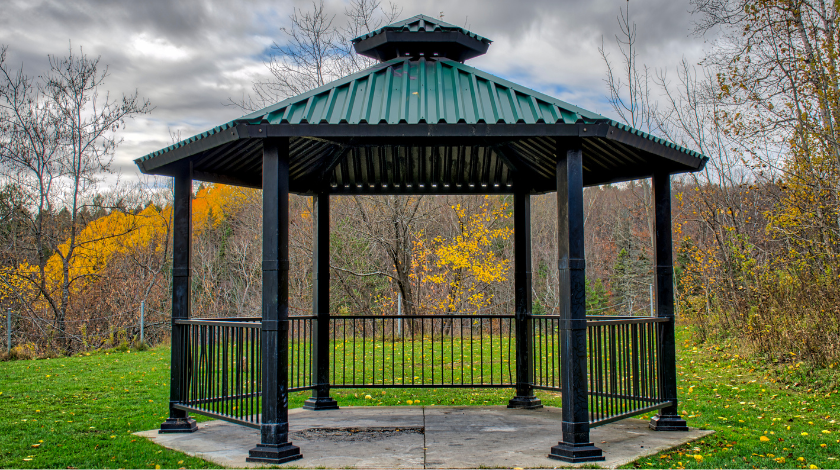
For years, I looked out at my backyard and saw unused space. It was just a rectangle of grass. Then, a friend installed a simple wooden gazebo, and visiting them was like stepping into a different world—a private, peaceful nook right in their garden. That was the moment I caught the gazebo bug. Maybe you’re feeling that too. You’re imagining morning coffees sheltered from the dew, long summer evenings laughing with friends without the harsh sun, or a dedicated, bug-free spot to just read a book. Let’s turn that daydream into a plan. This guide will walk you through everything about gazebos, from the different types to practical tips, all from a fellow enthusiast’s perspective.
What Exactly Is a Gazebo?
Let’s start with the basics. A gazebo is a freestanding, roofed structure that’s usually open on the sides, though it can be screened in. It’s designed to be a focal point in your garden or yard, offering shade, shelter, and a defined space for relaxation or entertainment. Think of it as an outdoor room without walls. Historically, they were fancy garden ornaments in large estates, but today, they are accessible and wonderful additions to everyday homes. Their magic lies in creating a “destination” in your own property—a place you go to, rather than just a space you pass through.
Gazebo, Pergola, or Pavilion? Clearing the Confusion
It’s easy to mix these up at the garden center. Here’s a simple breakdown:
-
Gazebo: Has a solid, full roof (often peaked or domed) and a raised floor. It’s a complete, enclosed structure you can put furniture inside.
-
Pergola: Has an open, slatted roof (beams you can see through) and usually no solid floor. It’s more for filtering sunlight and defining a walkway or seating area, often with climbing plants.
-
Pavilion: Is like a large, open-air gazebo, often more rectangular and substantial. It might have partial walls or built-in amenities like a kitchenette.
In short, if you want full shelter from rain and sun, choose a gazebo. If you want dappled sunlight and a frame for vines, a pergola is lovely.
A Tour of Gazebo Types: Find Your Match
This is where your personal style and needs come into play. The material defines the look, maintenance, and often the cost.
1. The Classic: Wooden Gazebos
This is what most people picture. Cedar, redwood, and pressure-treated pine are popular.
-
Why I love them: They have a warm, natural, timeless beauty that blends seamlessly into any garden. The smell of cedar on a warm day is wonderful. They are also strong and can be stained or painted any color.
-
Things to consider: They require the most upkeep. You’ll likely need to re-stain or seal them every couple of years to protect against weathering and rot. They are also often on the higher end of the price scale, especially for quality hardwoods.
2. The Low-Maintenance Choice: Vinyl Gazebos
Made from PVC or similar materials, these are white or off-white and have a clean, crisp appearance.
-
Why they’re practical: They won’t rot, rust, or need painting. A hose-down is usually all the cleaning they need. They are fantastic for busy people who want the look without the weekend maintenance projects.
-
Things to consider: The color options are limited, and they can have a less “natural” feel. In very strong winds, they can be less rigid than wood or metal, so anchoring is crucial.
3. The Durable & Modern Option: Metal Gazebos
Typically made from powder-coated aluminum or steel.
-
Why they’re great: Aluminum is rust-resistant and incredibly sturdy in wind. They often come in sleek, modern designs with curved roofs. Steel is even stronger but needs a good powder coat to prevent rust.
-
Things to consider: Metal can get hot in direct sun. The aesthetic is more contemporary, which might not suit a rustic cottage garden. Always check the quality of the powder coating.
4. The Bug-Free Zone: Screened Gazebos
These can be made of wood, metal, or vinyl but come with mesh screens on all sides.
-
Why they’re a game-changer: If mosquitoes love you, this is your answer. It creates a truly usable outdoor room where you can enjoy evenings without sprays or candles. It’s also great for keeping leaves and debris out.
-
Things to consider: It can feel a bit more enclosed, and the views are slightly filtered. You need to be careful not to tear the screens when moving things in and out.
Thinking It Through: Key Questions Before You Buy
Before you get swept away by a beautiful catalog image, ask yourself these questions. I learned this the hard way!
-
What’s its main purpose? Is it for intimate family dinners? Hosting large barbecues? Housing a hot tub? Simply a quiet retreat? The purpose dictates the size and style.
-
Where will it go? Measure twice, buy once. Not just the gazebo footprint, but consider the “airspace”—tree branches, overhead wires, and the path of the sun. You might want afternoon shade, so placement is key.
-
What’s your real budget? Factor in everything: the structure itself, the foundation (a huge and often forgotten cost), furniture, lighting, and for wood, future stain/sealer. It’s better to get a smaller, well-built gazebo with a proper base than a large, shaky one on uneven ground.
-
DIY or Professional Installation? Be honest about your skills. Many kits are marketed as DIY-friendly, but they often require two people and a solid weekend of work. If your yard is sloped or you’re not comfortable with a level and power tools, hiring a pro is a wise investment for safety and longevity.
Let’s Talk Numbers: A Realistic Cost Breakdown
Costs vary wildly, but here’s a rough guide to set expectations:
-
Basic Soft-Top Canopy Kits: $150 – $800. These are often seasonal and not permanent structures.
-
Mid-Range Permanent Kits (Metal/Vinyl): $1,500 – $4,000. This is a common range for a solid 10×12 ft gazebo kit.
-
Quality Wooden Kits or Custom Designs: $4,000 – $10,000+. Premium materials and complex designs drive the price up.
-
Professional Installation: Can add $500 – $3,000+ to the kit price, depending on complexity.
-
Foundation Materials (Concrete, gravel, deck blocks): $200 – $1,000. This is non-negotiable. A gazebo without a proper foundation is a kite waiting to happen.
The Most Important Step Nobody Talks About: The Foundation
I want to stress this like a friend would: do not skip on the foundation. It is the single most critical factor for your gazebo’s stability and lifespan. A gazebo is a sail. Wind will get under that roof and try to lift it. A proper foundation anchors it down.
Your main options are:
-
Concrete Piers: The gold standard. You pour concrete footings below the frost line and attach the posts. It’s permanent and incredibly stable.
-
Deck Blocks: An easier DIY option. These are concrete blocks that sit on crushed gravel and hold the posts. Good for level ground, but not as anchoring as concrete piers.
-
On an Existing Deck or Patio: Ensure your deck is structurally rated to hold the significant extra weight and wind load. You must bolt it down securely.
Anchoring a metal gazebo to a concrete patio with proper wedge anchors transformed my structure from something that rattled in the breeze to a rock-solid fixture. It was the best afternoon of work I ever invested.
Making It Your Own: The Joy of Accessories
Once it’s up, the fun begins. This is where personality shines.
-
Lighting: Solar-powered string lights are my top recommendation. They’re easy, cost nothing to run, and create instant magic at dusk. For evening dinners, consider a battery-operated LED lantern or a low-voltage wired light.
-
Privacy & Shade: Outdoor curtains on a rod add drama, color, and extra shade or privacy on one side.
-
Comfort: All-weather wicker furniture is durable. Add thick, outdoor-rated cushions for comfort. A small side table is a must for drinks.
-
Climate Control: A simple, safe outdoor-rated fan can make a huge difference on a still summer day. For cooler seasons, a freestanding outdoor propane heater can extend your gazebo enjoyment by months.
Conclusion
Investing in a gazebo is investing in your home’s living space and your own quality of life. It pushes you outdoors, encourages relaxation, and becomes the backdrop for countless memories—from quiet morning reflections to lively birthday parties. Whether you choose a rustic wooden haven, a sleek modern metal frame, or a bug-free screened room, the key is to plan thoughtfully. Consider your space, your needs, and your budget realistically, and never, ever underestimate the power of a good foundation. Take your time, do your research, and soon enough, you’ll be unlocking your back door and stepping into your very own sanctuary.
FAQ
Q: Do I need a permit to build a gazebo?
A: Very likely, yes. Most municipalities require a building permit for permanent structures over a certain size (often 100 sq. ft.). Always, always check with your local building department first. It’s not just bureaucracy; it ensures your structure is safe.
Q: Can I leave my gazebo up all winter?
A: It depends on the material and your climate. Permanent, well-built wood, vinyl, or metal gazebos with proper foundations are designed for it. However, you should remove any fabric canopies, curtains, or screens to prevent snow/ice damage. For soft-top canopy gazebos, it’s best to take them down and store them.
Q: How do I clean and maintain my gazebo?
A:
-
Wood: Wash annually with a mild detergent and water, let dry completely, and apply a fresh coat of water-repellent sealer or stain.
-
Vinyl: Simple soap and water with a soft brush. Avoid abrasive cleaners.
-
Metal: Check for chips in the powder coating. Wash with soapy water and touch up any chips with matching paint to prevent rust.
-
All Types: Keep the roof clear of heavy leaf piles and ensure drainage paths are clear.
Q: Is it cheaper to build a gazebo from scratch or buy a kit?
A: For most beginners, a quality kit is more cost-effective and certainly less stressful. It includes all pre-cut parts and hardware. Building from scratch requires advanced carpentry skills, precise planning, and sourcing all materials individually, where mistakes can become expensive. The kit is the safer bet for a guaranteed result.
Q: Can I put a gazebo on grass?
A: Directly on the grass? No. It will sink, become uneven, and the moisture will rot wooden posts quickly. You must create a solid, level foundation on top of the grass, using one of the methods mentioned earlier (concrete, deck blocks on gravel, etc.). The grass underneath will eventually die from lack of sunlight.