
Let’s be honest, when most people think of Cumbria, their minds instantly leap to the postcard-perfect lakes, the soaring fells, and the charming stone villages of the Lake District. Very few, I’d wager, immediately think of a bustling industrial town on a peninsula shaped like a hammer. But that’s exactly where Barrow-in-Furness sits, both geographically and in the public imagination. For years, I knew it only as that place where they build submarines, a name on the news connected to engineering and the military. It wasn’t until I actually spent time there that I realised how badly I’d underestimated it. Barrow isn’t just a shipyard; it’s a town with a story that swings from medieval monastic power to Victorian industrial genius, all wrapped up in a coastline of surprising, wind-swept beauty.
Barrow’s story is fundamentally one of transformation. A little over 150 years ago, it was a small fishing village. Then, the discovery of immense iron ore deposits in the nearby hills changed everything. Almost overnight, it became the heart of the Furness iron industry. The money and ambition from that era didn’t just build factories; they built a whole town. You can see it in the grand Victorian architecture in the town centre, like the majestic Town Hall, which speaks of a time of enormous confidence and wealth. When steel replaced iron, Barrow’s genius was in applying that skill to the sea. The shipyard was born, and it never looked back. Walking around the town, you feel this sense of purpose. This isn’t a place that exists just for tourists; it’s a working town, and there’s a pride in that. People here have built things that sail the world’s oceans, defending the nation. That’s not something you find just anywhere.
Of course, you can’t talk about Barrow without talking about BAE Systems. The shipyard is the town’s largest employer and its identity is deeply intertwined with it. While you can’t just wander into the active dockyard (security is, understandably, tight), you can absolutely appreciate its scale and significance. Take a stroll along the waterfront near the Dock Museum. Look across the water to the enormous, angular shape of the Devonshire Dock Hall – one of the largest buildings of its kind in Europe. Inside there, right now, skilled engineers and welders are crafting the most advanced nuclear-powered submarines for the Royal Navy, like the Astute and Dreadnought classes. It’s mind-boggling to think of the complexity contained within those walls. The best place to get to grips with this history is the Dock Museum, which is brilliantly built into a former dry dock. It’s free to enter and does a fantastic job of explaining not just the how, but the why and the who. You’ll see models of ships, learn about the people who built them, and understand how events like the World Wars shaped the yard’s destiny. It puts a human face on the industrial might.
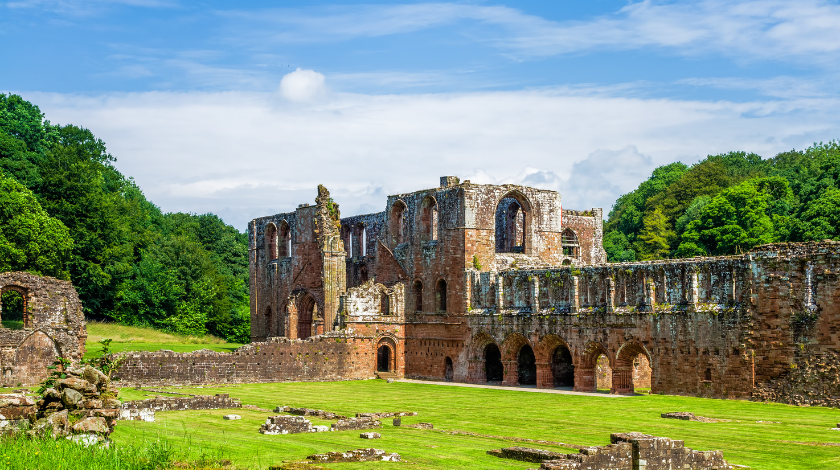
But here is Barrow’s greatest surprise. Just a few miles from the hum of industry, you step into a scene of profound peace and ancient history. Furness Abbey is, in my opinion, one of the most spectacular and underrated ruins in all of England. Nestled in a leafy valley, known locally as the ‘Vale of Nightshade’, its red sandstone walls glow in the sunlight. Founded in 1123, it was once one of the wealthiest and most powerful Cistercian monasteries in the country. The scale of the remaining walls, particularly the west front of the church, is breathtaking. You can easily imagine the power and sanctity that once resided here. I spent a good hour just sitting on a bench, listening to the birds and trying to picture the monks going about their daily business. The contrast with the shipyard is stark and wonderful – it shows the deep, layered history of this peninsula, where centres of power have existed for centuries, just in very different forms.
The other direction from the town centre leads you to the sea and Walney Island. Connected by a bridge, Walney feels like a different world. It’s a long, thin island with a community, but also vast stretches of wild, coastal land. At the southern tip is the South Walney Nature Reserve. This place is a paradise for birdwatchers. Even if you’re not an expert, the sight and sound of thousands of nesting gulls, eiders, and oystercatchers is unforgettable. The island’s beaches, like Biggar Bank, are long, sandy, and often beautifully empty. The wind whips off the Irish Sea, and the views across to the mountains of the Lake District are incredible. On a clear day, you can see the whole sweep of the Cumbrian coast. It’s the perfect spot for a bracing walk that blows the cobwebs away.
And then there’s the adventure to Piel Island. This tiny island, a short ferry ride from Roa Island (itself connected to the mainland), feels like stepping into a storybook. Dominated by the romantic ruins of Piel Castle, built in the 14th century to guard against smugglers, the island has a population of about one. Well, plus the landlord of the Ship Inn, who holds the quirky title of ‘King of Piel’. Legend says you can be knighted by him if you buy a round of drinks! Sitting outside the pub with a pint, looking back at the mainland, you feel a million miles from the modern world. It’s these kinds of experiences that make the Furness Peninsula so special.
For families, a huge draw is the South Lakes Safari Zoo just outside Dalton-in-Furness, a short drive from Barrow. It’s a very hands-on, interactive zoo where the animals have large enclosures, and you can get remarkably close to creatures like giraffes and lemurs. It’s a full day out and adds yet another dimension to what the area offers.
So, is Barrow-in-Furness a classic beauty spot? Not in the traditional, chocolate-box sense. Its beauty is grittier, more earned, and more fascinating for it. The town centre has its challenges, like many post-industrial towns, but it has a real heart. The indoor market is a bustling hub of local life, and there are some excellent, no-nonsense pubs where you’ll hear the unique Barrow accent in full flow. It’s a friendly place when you stop to chat.
In conclusion, Barrow-in-Furness defies simple categorisation. It is a town where the echo of monastic chants mingles with the sound of shipyard sirens; where you can study cutting-edge engineering one hour and watch seabirds soar over a windswept beach the next. It’s an authentic slice of Northern England, proud of its past and steadily working on its future. Don’t just pass through on the way to the lakes. Stop, explore, and discover the remarkable story of the Furness Peninsula. You might just find, as I did, that its unique blend of strength, history, and wild beauty stays with you long after you’ve left.
Frequently Asked Questions (FAQs)
Q: Is Barrow-in-Furness worth visiting for a holiday?
A: Absolutely, especially if you’re interested in industrial heritage, uncrowded coastal scenery, and authentic English history. It may not be a typical “pretty” tourist town, but it is a deeply rewarding and unique destination, perfect for a short break or as part of a wider Cumbria trip.
Q: What is Barrow-in-Furness most famous for?
A: It is world-famous as a centre for nuclear submarine construction at the BAE Systems shipyard. It also has significant historical importance due to the stunning ruins of Furness Abbey.
Q: Can you tour the BAE Systems shipyard?
A: Generally, no. Due to the sensitive nature of the work, there are no public tours of the active shipyard. However, the excellent and free Dock Museum is built on the site and provides a comprehensive and engaging overview of the shipbuilding history and heritage.
Q: How far is Barrow from the Lake District?
A: Barrow is on the very south-western edge of the Lake District National Park. It’s about a 30-45 minute drive to the southern lakes like Coniston Water, making it a viable and less crowded base for exploring the area.
Q: What are the top things to do in Barrow-in-Furness?
A: Top attractions include visiting the Dock Museum, exploring the ruins of Furness Abbey, walking the beaches and nature reserves of Walney Island, taking a ferry trip to Piel Island, and visiting the South Lakes Safari Zoo nearby.