
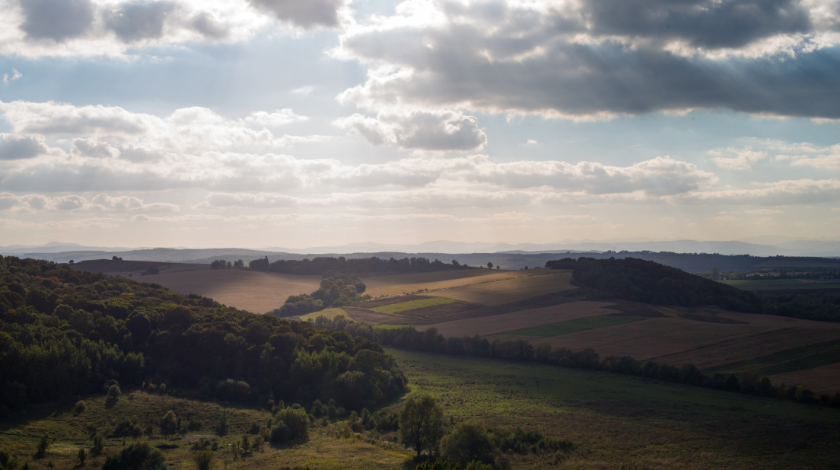
Have you ever stumbled upon a place on a map that doesn’t quite fit into a neat box? A name that whispers of history, art, and a quiet resilience, straddling modern borders? For me, that place was always Bukovina. I first read about it in a tattered old history book, mentioned as a footnote in the saga of empires. Years later, standing before the astonishing blue of Voronet Monastery in Romania, I realized Bukovina isn’t a footnote. It’s a full, vibrant chapter in Europe’s story, waiting to be read. Let me share with you what makes this region so uniquely captivating.
Where in the World is Bukovina?
This is the first question everyone asks, and it’s the key to understanding everything else. The simplest answer is that Bukovina is a historical and cultural region that is today split between two modern countries: Romania and Ukraine.
Think of it like this: imagine a beautiful, old family quilt. Over time, the quilt was carefully, though perhaps painfully, divided to be cherished by two branches of the family. Both pieces hold the original, exquisite stitching and tell the same family story, but they now reside in different homes. That’s Bukovina.
-
Southern Bukovina is in northeastern Romania, forming part of the counties of Suceava and Botosani. This is the part most associated with the famed Painted Monasteries.
-
Northern Bukovina is in western Ukraine, with the elegant city of Chernivtsi (Cernăuți in Romanian) as its historical capital.
The border between them is a modern political line, but the cultural and historical landscape flows across it. To know why this split happened, we need to step back in time.
A Tapestry of Time: The Rich History of Bukovina
Bukovina’s story isn’t about one people or one nation. It’s a story of crossroads. For centuries, it was the core of the Medieval Principality of Moldavia. Its dense beech forests (from which it gets its name, “Bukovina” meaning “land of beech trees”) provided a natural fortress. This era laid the spiritual foundation, with rulers like Stephen the Great building monasteries to celebrate victories and solidify faith.
The major turning point came in 1775. The powerful Habsburg Empire of Austria, looking for a strategic corridor, negotiated and essentially took this territory from Moldavia. For over 140 years, Bukovina was a Habsburg Crown Land. This period was transformative. The Habsburgs turned Chernivtsi into a “Little Vienna,” a dazzling showcase of Austro-Hungarian architecture and learning. They encouraged migration, leading to a remarkable multicultural society where Romanians, Ukrainians, Germans, Jews, Poles, and Armenians lived side-by-side. Walking the streets of Chernivtsi today, you feel this immediately. The colossal, castle-like Chernivtsi University (a UNESCO site), built as the residence for the Orthodox Metropolitans, is a perfect symbol of this golden age—a blend of Byzantine, Gothic, and Baroque styles that could only happen here.
After World War I, the whole of Bukovina joined the Kingdom of Romania. But this unity was short-lived. The brutal tides of World War II and a secret pact between Nazi Germany and the Soviet Union led to the partition in 1940. Northern Bukovina was annexed by the USSR (becoming part of independent Ukraine in 1991), and Southern Bukovina remained with Romania. This division is the map we see today.
The Crown Jewels: The Painted Monasteries of Bukovina
If Bukovina has a soul, and I believe it does, it is expressed most powerfully on the outer walls of its monasteries. Built mostly in the 15th and 16th centuries under Stephen the Great and his successors, these are not just places of worship. They are massive, open-air storybooks made of stone and paint.
The “painted” part is what takes your breath away. The entire exterior of these churches is covered in vibrant, intricate frescoes. This wasn’t just for beauty; it was for education. In an age when most people couldn’t read, the walls taught the scriptures, the lives of saints, and complex theological ideas. They also served as a shield—the brilliant paintings protected the underlying plaster from the harsh Carpathian weather.
Let me tell you about two that left me speechless.
Voronet Monastery is often called the “Sistine Chapel of the East.” While that gives you an idea of its importance, it doesn’t prepare you for the color. Voronet is famous for its unique, vivid shade of blue—so unique it’s called “Voronet Blue.” Scientists have tried for years to decipher its exact composition. The masterpiece here is the stunning “Last Judgment” on the western wall. It’s a colossal, detailed vision of heaven and hell, filled with angels, apostles, and mythical creatures. Standing before it, you feel small in the best possible way, drawn into a story painted over 500 years ago that still asks the biggest questions.
Sucevita Monastery, by contrast, feels like a fortress. It’s the largest of the painted monasteries, surrounded by high, thick defensive walls with watchtowers. Its frescoes are the best preserved, with a stunning green hue dominating many scenes. One of its most famous and enigmatic frescoes is the “Ladder of Virtue” on the northern wall. It depicts monks climbing a ladder to heaven, being helped by angels, while demons try to pull them down with hooks and ropes. It’s a powerful, simple metaphor for the spiritual struggle, painted in a way that anyone, from a medieval farmer to a modern tourist like me, can instantly understand.
Living Culture: Traditions, Food, and Folk Art
Bukovina’s culture isn’t frozen in monastery frescoes. It’s alive in its villages, its kitchens, and its crafts. The Habsburg multiculturalism may have faded, but a profound, earthy folk tradition remains, especially in the Romanian side.
The folk art here is breathtaking. It’s characterized by dense, geometric patterns, floral motifs, and a stunning use of color. You see it in the woven carpets, the embroidered blouses (which are like family heirlooms), and the hand-painted Easter eggs. I bought a small, painted wooden box from a craftsman in Marginea, a village also famous for its unique black pottery. He explained how the motifs—the tree of life, the rope, the sun—were symbols of health, continuity, and protection. It felt like carrying a piece of an ancient language.
Then there’s the food. This is hearty, comforting mountain fare. Think slow-cooked bean soups in clay pots, polenta (mămăligă) with fresh cheese and sour cream, and delicious stews. A must-try is “tocană” or “ciorbă” (a sour soup, often with meatballs). For something truly special, seek out “papanasi”—fried doughnuts made with cottage cheese, served with sour cream and berry jam. It’s the kind of dessert that makes you forget all your calories concerns for the day.
Visiting Bukovina Today: A Practical Glance
If this has sparked your curiosity, here’s a little on-the-ground advice. The main gateway to Southern Bukovina (Romania) is the city of Suceava, which has an airport and good train/bus connections. From there, you’ll want to rent a car. The monasteries are scattered across a beautiful, hilly landscape, and having your own transport gives you the freedom to explore at your own pace. The town of Gura Humorului makes a great base. Spend at least three days to see the main monasteries (Voronet, Sucevita, Moldovita, Humor) without rushing.
For Northern Bukovina (Ukraine), the focal point is Chernivtsi. It’s a university city with a magical, Central European charm. The must-see is the aforementioned Chernivtsi University complex. Even if you can’t enter, walking its grounds is an experience. Given the current tragic situation in Ukraine, travel here is, of course, not advised until peace and safety are restored. But its cultural and architectural significance remains a crucial part of the Bukovina story.
Conclusion: More Than a Borderland
So, what is Bukovina? It’s more than a divided borderland. It is a testament to how culture can be both resilient and adaptable. It’s the profound spirituality of the Painted Monasteries, standing guard for centuries. It’s the elegant coffeehouse culture of Chernivtsi, a echo of the Habsburg era. It’s the smell of wood smoke and baking bread in a Maramures village. It’s a region that has been Moldavian, Austrian, Romanian, Soviet, and Ukrainian—yet it has maintained a quiet, stubborn sense of self.
Visiting Bukovina, especially the Romanian part, feels like being let in on a secret. You won’t find the crushing crowds of Prague or Paris. You’ll find authenticity, staggering art, and a profound sense of history that seeps into the landscape. It reminds us that the most interesting places in the world often don’t fit neatly into one category. They exist in the beautiful, complicated spaces in between.
Frequently Asked Questions (FAQ)
1. Is Bukovina a country?
No, Bukovina is not a country. It is a historical and geographic region that is currently divided between modern-day Romania (Southern Bukovina) and Ukraine (Northern Bukovina).
2. What is Bukovina best known for?
Bukovina is world-famous for its UNESCO-listed Painted Monasteries in Romania, which feature exquisite 15th and 16th-century frescoes on their exterior walls. It is also known for its multicultural history under the Habsburg Empire and its vibrant folk art and traditions.
3. What language do they speak in Bukovina?
In Southern Bukovina (Romania), the primary language is Romanian. In Northern Bukovina (Ukraine), the primary language is Ukrainian. Due to the historical mix of populations, you may also encounter speakers of Russian, Polish, and German, especially among older generations or in specific communities.
4. Can I visit both the Romanian and Ukrainian parts of Bukovina easily?
They are separate countries, so you must clear international border controls. The main crossing is between Siret (Romania) and Porubne (Ukraine). Crucially, always check current travel advisories and safety conditions for Ukraine before planning any travel.
5. What is the best time to visit Bukovina in Romania?
Late spring (May-June) and early autumn (September-October) are ideal. The weather is pleasant, the countryside is green or colorful, and there are fewer tourists than in the peak summer months of July and August. The painted monasteries look spectacular against a blue sky or the golden leaves of fall.