
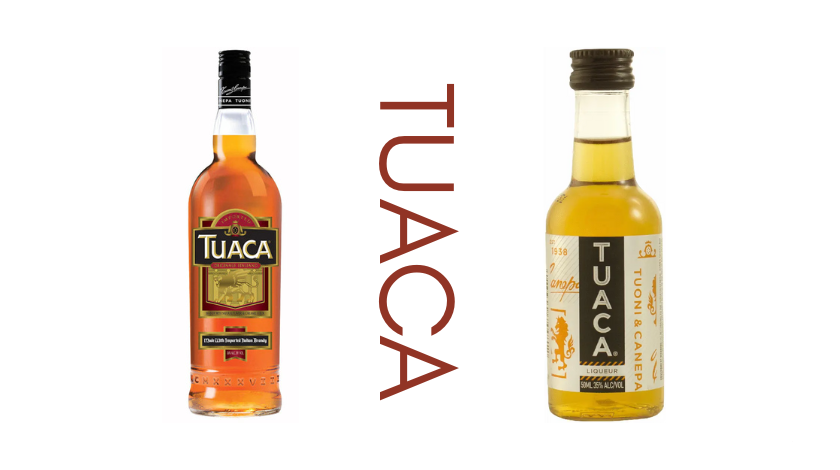
Have you ever been rummaging through a well-stocked back bar or a friend’s liquor cabinet and spotted a bottle with a short, memorable name you couldn’t quite place? “Tuaca.” It sounds exotic, maybe a little mysterious. I remember my first encounter vividly. It was at a cozy autumn gathering, and a friend handed me a snifter of something warm and amber-colored. “Try this,” he said. “It’s like a hug in a glass.” That was my introduction to Tuaca, and honestly, that description wasn’t far off. If you’ve been curious about this bottle with the distinctive lion emblem but weren’t sure where to start, you’re in the right place. Let’s pull up a chair and unravel the story of this wonderfully approachable liqueur together.
So, What Exactly Is Tuaca?
Let’s start with the basics. Tuaca (pronounced “too-AH-kah”) is an Italian liqueur. Now, when we say “liqueur,” we’re talking about a spirit that has been sweetened and flavored after distillation. Think of it as the cousin of straight spirits like vodka or whiskey, but one who loves to wear more expressive, aromatic flavors. Tuaca falls squarely into this delicious category.
At its heart, Tuaca is a blend of fine Italian brandy and a secret, proprietary blend of natural flavors. While the exact recipe is a closely guarded secret, the dominant notes that dance on your palate are unmistakable: rich, creamy vanilla and bright, zesty citrus, with whispers of warm spice and a hint of oak in the background. It’s not syrupy sweet like some cordials; it has a beautiful balance that makes it both sippable and incredibly mixable. Some people call it a vanilla liqueur, and while that’s a big part of its character, that label sells short the beautiful citrus complexity that makes it truly special.
A Legend in a Bottle: The Story Behind Tuaca
Every great spirit has a story, and Tuaca’s is a good one. Its origins trace back to the Renaissance era in Italy. Legend has it that the recipe was created for Lorenzo de’ Medici, the powerful ruler of Florence and a renowned patron of the arts. They called it “Liquore alla Medici.” The story goes that Lorenzo adored the blend so much he kept it for his private court. Now, whether every detail is historically precise is up for debate, but it certainly adds a layer of romantic charm to the bottle. The name “Tuaca” itself is derived from the last names of the two brothers, Tuoni and Canepa, who revived and commercialized the formula in the 1930s. That lion on the label? That’s the Lion of Florence, a nod to its purported Medici roots. So, when you pour a glass, you’re arguably tasting a little piece of Italian history, or at the very least, a very successful marketing tale that’s stood the test of time!
Breaking Down the Flavor: What Does Tuaca Really Taste Like?
This is the fun part. Tasting Tuaca is an experience. Don’t just throw it back; take a moment to appreciate it.
On the Nose: Bring the glass to your nose. The first wave is pure, comforting vanilla bean—not artificial, but like the smell of a vanilla pod split open. Right behind it comes a lift of orange, not the sharpness of the juice, but the fragrant oil from the zest, maybe even a touch of candied orange peel.
On the Palate: Take a small sip and let it coat your tongue. The vanilla is immediate and creamy, almost like a high-quality vanilla ice cream base. Then, the citrus emerges, cutting through the sweetness with a lovely, bright note. As you savor it, you might detect subtle hints of brown spice—think a faint touch of cinnamon or nutmeg—and a gentle, oaky warmth from the brandy base that gives it structure and prevents it from being cloying.
The Finish: It finishes smoothly and warmly, leaving a lingering, pleasant memory of vanilla and citrus on your tongue. It’s not heavy or aggressive; it’s inviting. In my opinion, this balance is its greatest strength. It’s flavorful enough to stand out in a cocktail but smooth enough to enjoy on its own, especially if you’re new to sipping spirits neat.
Your Tuaca Playbook: How to Drink and Enjoy It
Here’s where the real adventure begins. Tuaca is famously versatile, which is why it’s been a bartender’s secret weapon for decades.
1. The Simple Sip (Neat or On the Rocks):
This is my recommended starting point. Pour about an ounce into a small snifter or a rocks glass. Sip it slowly, letting it warm slightly in your hand. This is the best way to understand its full flavor profile. If you prefer a slightly chilled, diluted drink, pour it over a single large ice cube. The melting ice opens up the flavors beautifully.
2. The Classic: Tuaca & Coffee
This is arguably Tuaca’s most famous serving suggestion, and for good reason. It’s sublime. Simply add a shot (about 1.5 oz) of Tuaca to a mug of freshly brewed, hot coffee. Stir. That’s it. The Tuaca melts into the coffee, adding dimensions of vanilla, citrus, and spice that elevate your regular cup into a decadent, cafe-style treat. No need for extra sugar or cream, though a dollop of whipped cream on top is never a bad idea. I find this especially perfect on a chilly evening.
3. Cocktail Time: Easy Tuaca Mixes
Tuaca plays wonderfully with others. Here are a few dead-simple cocktails to try at home:
-
The Tuaca Sunset: In a glass filled with ice, combine 2 oz of orange juice and 1.5 oz of Tuaca. Give it a gentle stir. The result is a stunningly simple, refreshing drink where the Tuaca’s citrus harmonizes with the OJ, and the vanilla adds a creamy sunset glow. It’s my go-to summer patio drink.
-
The Tuaca Creamsicle: This tastes exactly like the childhood frozen treat. Mix 1.5 oz Tuaca with 1 oz vanilla vodka and 4 oz of orange soda (like San Pellegrino Aranciata) over ice. It’s fun, nostalgic, and dangerously easy to drink.
-
The Spiked Cider: Heat up some apple cider (non-alcoholic) in a mug. Stir in 1.5 oz of Tuaca. The vanilla and citrus from the liqueur complement the apple and autumn spices in the cider perfectly, creating a more complex warm drink.
4. Beyond the Glass: Cooking and Baking
Don’t limit Tuaca to your bar cart! Its vanilla-citrus profile is a fantastic flavor booster in the kitchen. You can use it anywhere a recipe calls for a liqueur. A splash in vanilla cake or cupcake batter adds depth. Drizzle it over sliced peaches before baking. Add a tablespoon to your homemade caramel sauce or whipped cream. It brings a professional, nuanced flavor that plain vanilla extract can’t match.
Finding Your Bottle and Final Thoughts
Tuaca is widely available in most well-stocked liquor stores in the United States and beyond. It’s typically found on the liqueur shelf, often near other vanilla or coffee liqueurs. Price-wise, it’s generally mid-range, very affordable for the quality and versatility it offers.
In conclusion, Tuaca is a spirit that deserves a spot in your home bar, not because it’s the trendiest bottle on the block, but because it’s reliably delicious and endlessly useful. It’s a bridge spirit—perfect for beginners due to its approachable sweetness and flavor, yet complex enough to keep seasoned enthusiasts interested. It works in all seasons: in hot coffee by the fireplace, in a refreshing sunset drink on the porch, or as a secret ingredient in a holiday dessert.
My journey with Tuaca started with that one curious sip years ago, and it’s since become a staple I always replenish. It has a way of making simple moments feel a little more special, whether you’re sharing a story over a slow-sipped glass or surprising a friend with a coffee you’ve magically transformed. So, next time you see that bottle with the lion, give it a try. You might just find your new favorite “hug in a glass.”
Conclusion
Tuaca Original Vanilla Citrus Liqueur is a hidden gem with a rich history and a uniquely balanced flavor profile. Its blend of vanilla, citrus, and brandy warmth makes it exceptionally versatile, ideal for sipping neat, mixing into simple yet impressive cocktails, or even enhancing desserts. Approachable for newcomers and appreciated by connoisseurs for its complexity, Tuaca is more than just a liqueur; it’s a versatile flavor tool and a delightful drinking experience waiting to be discovered. Its story, taste, and utility make it a worthy addition to any home bar.
Frequently Asked Questions (FAQ)
Q1: Is Tuaca a brandy?
Tuaca is a liqueur based on brandy. Its primary spirit is Italian brandy, which is then sweetened and flavored with vanilla, citrus, and spices. So while brandy is its backbone, the final product is classified as a liqueur.
Q2: Does Tuaca need to be refrigerated?
No, like most spirits, Tuaca does not require refrigeration. You should store it upright in a cool, dark place away from direct sunlight and heat sources. This will preserve its flavor for years. The high alcohol content acts as a preservative.
Q3: What are good substitutes for Tuaca in a recipe?
Because of its unique flavor, there’s no perfect 1:1 substitute. However, you can approximate it by mixing a vanilla liqueur (like Licor 43) with a small splash of an orange liqueur (like Grand Marnier or Cointreau) or a brandy-based liqueur. The result won’t be identical, but it can work in a pinch for cocktails.
Q4: Can you drink Tuaca straight?
Absolutely. Tuaca is excellent sipped neat at room temperature or slightly chilled over a large ice cube. This is the best way to appreciate its full, nuanced flavor profile of vanilla, citrus, and spice.
Q5: What is the alcohol content (proof) of Tuaca?
Tuaca Original is typically 70 proof, which means it contains 35% alcohol by volume (ABV). This makes it stronger than wine but slightly lower than many straight spirits like vodka or whiskey, which are often 80 proof (40% ABV).